By StephenHoxworth, A.C.E, Director of Pest Control Operations, United States
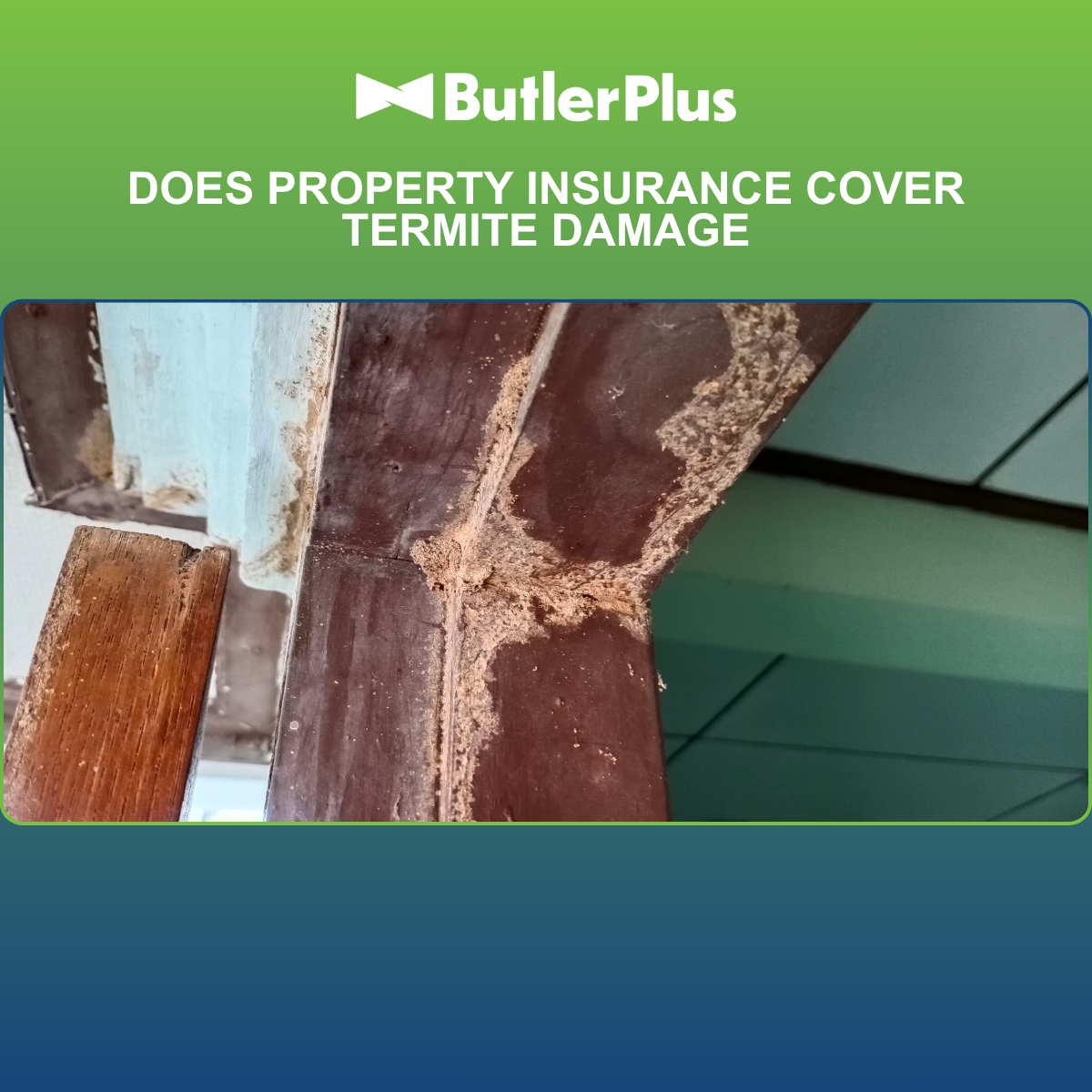
No. Standard commercial property and homeowners insurance policies do not cover termite damage. The exclusion is effectively universal across U.S. carriers, and it is deliberate rather than a technicality: insurers classify termite infestation as a preventable maintenance issue rather than a sudden or accidental event.
Why is termite damage excluded?
The reasoning carriers give is consistent. Termite damage develops slowly and visibly enough to be prevented through regular inspection and treatment. Because prevention is available, choosing not to inspect is treated as a maintenance failure rather than a covered peril. The Insurance Information Institute confirms this exclusion is standard across major carriers.
The financial scale makes the exclusion consequential. The National Pest Management Association reports that termites cause more than $6.8 billion in U.S. property damage each year, and that this damage is not typically covered by homeowners insurance. Almost none of it is insured.
Are there any exceptions?
Narrow ones. Some policies may respond where termite damage causes a sudden structural collapse, or where the damage results from a separately covered peril such as a fire. These are exceptions rather than a coverage pathway, and they typically require the structure to be rendered uninhabitable.
Cosmetic or progressive damage — weakened joists, compromised subfloor, damaged framing discovered during a renovation — is not covered.
What does this mean for multifamily and commercial owners?
It converts termite exposure from a risk-transfer question into an operating and capital planning question. There is no carrier backstop. Whatever the repair costs, it is absorbed directly, and at a multifamily property it typically arrives alongside unit downtime, resident relocation, and turn cost.
It also means inspection frequency is functionally a risk management control rather than a line-item preference. Frequency is the only variable an owner can adjust that changes the probability of a large uninsured loss. A documented termite inspection and treatment program can help owners identify activity earlier.”
Who absorbs the cost at a multifamily property?
Ownership does, and usually without a budget line behind it. An uninsured structural repair discovered mid-year competes against whatever else the capital plan had committed to, and at a property with unit downtime it arrives alongside lost rent, resident relocation, and turn cost.
Where a property is operated by a third-party management company, it is also worth confirming in writing how termite inspection and treatment are handled under the management agreement — whether the vendor is selected by ownership or by the manager, who holds the service contract, and who is accountable for verifying that inspections actually occur. Those answers vary more than most owners expect.
What is a termite bond, and does it substitute for insurance?
A termite bond, sometimes called a termite warranty, is a service contract with a pest control company rather than an insurance product. It typically includes an initial treatment, ongoing inspections, and retreatment if termites return. Owners should also confirm how often termite bait stations are inspected.
Whether it covers damage repair varies substantially, and this is the term that matters most. Many bonds cover retreatment only. Some cover repairs up to a stated limit. Some transfer to a new owner on sale, and some do not. Before relying on a bond as a financial control, confirm in writing what it covers, what voids it, whether missed renewals lapse it, and whether it transfers.
Insurance coverage varies by policy, carrier, and jurisdiction. This article is general information, not insurance advice. Review your specific policy and consult your broker or agent.
Frequently asked questions about if property insurance covers termite damage
Will homeowners insurance pay for termite damage?
Generally, no. Termite damage is a standard exclusion because carriers treat infestation as preventable maintenance. Narrow exceptions may apply where damage causes sudden collapse or results from a separately covered peril.
Can I buy additional coverage for termites?
Insurers typically do not offer a termite endorsement. The closest equivalent is a termite bond or warranty from a licensed pest control company, which is a service contract rather than insurance.
Who pays for termite damage at a multifamily property?
Ownership, in almost all cases. Where a third-party manager operates the property, the management agreement determines who selects and holds the termite service contract, but the uninsured repair cost sits with ownership.
Does a termite bond cover repairs?
Sometimes. Many bonds cover retreatment only. Confirm the scope, the limit, what voids coverage, and whether it transfers on sale before treating it as financial protection.